
The allure of risk-taking
The thrill of risk-taking is one of the main psychological drivers behind why people choose to gamble in casinos. For many individuals, engaging in risky behavior can provide an exhilarating escape from the routine of daily life. When the stakes are high, adrenaline surges, creating a sense of excitement that can be difficult to resist. This rush can significantly enhance the experience of gambling, especially when players enjoy online pokies australia that offer unique features and immersive gameplay. The anticipation leading up to a bet or a spin can heighten emotions, providing a temporary reprieve from everyday pressures.
Moreover, the potential for a substantial reward adds to this allure. The prospect of winning money can create a feeling of euphoria, and for some, it becomes a primary motivation for stepping into a casino. This excitement can quickly overshadow the inherent risks involved in gambling, leading players to focus on the thrill rather than the potential losses. In essence, the psychological effects of risk-taking can often cloud judgment, encouraging individuals to chase the high of winning. The excitement of a potential jackpot can be intoxicating, causing players to lose sight of the reality of their financial situation.
Additionally, various cognitive biases play a role in this behavior. Many gamblers fall prey to the illusion of control, believing they can influence the outcome of a game through their choices. This tendency to overestimate one’s skill can lead to an increased desire to gamble, even in the face of mounting losses. As this cycle continues, individuals may find themselves drawn deeper into the world of casinos, illustrating the powerful grip that risk-taking has on human psychology. The interplay between the thrill of winning and the potential for loss creates a complex emotional landscape that keeps players returning for more.
The social environment of casinos
Casinos are not just places to gamble; they are social hubs that attract people seeking connection and community. The social environment plays a crucial role in the gambling experience, as the presence of other players can enhance feelings of camaraderie and excitement. Engaging in games with others can create a shared sense of anticipation, making the experience more enjoyable and memorable. This social aspect is particularly appealing to those who may feel isolated in their everyday lives, as it provides an opportunity to connect with like-minded individuals who share a similar interest in games of chance.
Furthermore, casinos often cultivate an atmosphere designed to encourage social interaction. From lively conversations at poker tables to the camaraderie built over slot machines, these environments are structured to facilitate connections. Special events and tournaments provide additional opportunities for players to engage, fostering a sense of belonging among participants. This social dimension can make the experience of gambling far more enticing, as individuals associate positive feelings with their time spent at the casino. Whether it’s celebrating a win with friends or strategizing over a game, the social interactions enhance the overall experience.
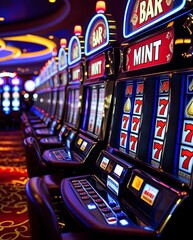
Moreover, the social aspect of gambling can also have a significant impact on an individual’s betting behavior. When players are surrounded by friends or fellow gamblers, they may feel emboldened to take more risks than they would alone. The excitement of shared wins and losses can lead to a momentary suspension of caution, affecting decision-making. This communal aspect of gambling not only heightens the thrill but also reinforces the psychological need for connection and belonging. The shared experience can create lasting memories and forge relationships that extend beyond the casino walls.
The role of rewards and reinforcement
The psychology of gambling is deeply intertwined with the concept of rewards and reinforcement. When players experience wins, even small ones, they are often rewarded with a rush of excitement that encourages continued play. This phenomenon can be linked to the brain’s reward pathways, where neurotransmitters like dopamine are released in response to winning. This chemical reaction reinforces the behavior, making gambling an addictive activity for many. The more a player wins, the more they associate the act of gambling with positive emotions, creating a cycle that is hard to break.
Additionally, variable ratio reinforcement is a key factor that keeps players returning to the tables or machines. Unlike fixed rewards, variable reinforcement provides payouts at unpredictable intervals, creating a cycle of anticipation and excitement. This unpredictability can lead to players gambling for extended periods, hoping for the next big win. Consequently, the thrill of potential rewards often overshadows the reality of losses, making it challenging for individuals to walk away. The promise of a future win can create a powerful motivation that keeps players engaged, even when faced with losses.
The design of casino games also capitalizes on this principle of reinforcement. Many games are strategically designed to trigger emotional responses, with sounds and visuals that celebrate wins, regardless of their size. This engagement creates a feedback loop, encouraging players to chase the high of winning, often overlooking their losses. Ultimately, this psychological manipulation by casinos plays a significant role in why many individuals find themselves drawn to gambling despite the inherent risks. The casino environment is carefully crafted to keep players engaged and invested in their experience, often at the expense of their financial well-being.
The impact of cognitive biases
Cognitive biases significantly shape our understanding of risk and reward in gambling. Many gamblers experience the “gambler’s fallacy,” a belief that past events influence future outcomes, leading individuals to think that a particular outcome is “due.” For example, a player may believe that a slot machine is more likely to pay out after a series of losses, encouraging them to continue playing. This misperception can lead to increased gambling behavior, as individuals chase what they believe is an impending win. The gambler’s fallacy can create a false sense of optimism that blinds players to the realities of chance and randomness.

Another prevalent cognitive bias is the tendency to focus on wins while downplaying losses. Gamblers often remember their successes vividly and may inflate the significance of these victories in their minds. This selective memory can create a false narrative that influences future betting behavior. By focusing on the occasional highs and ignoring the frequency of losses, individuals may remain oblivious to the detrimental financial and emotional consequences of their gambling habits. This cognitive distortion can perpetuate a cycle of gambling, as players continue to believe they are on the verge of a significant win.
Finally, social influences can exacerbate these cognitive biases. Observing others win can further reinforce a gambler’s belief in their own potential for success. The stories of jackpot winners circulated within casino environments can lead to an exaggerated perception of the odds, prompting even more gambling. The amalgamation of cognitive biases and social reinforcement creates a powerful environment that can trap individuals in a cycle of gambling, complicating their understanding of the true nature of risk. The combination of social validation and cognitive distortion can make it challenging for players to recognize their own gambling behaviors and motivations.
Understanding gambling behavior on our website
Our website explores the intricate psychology of gambling, delving into the many factors that influence why individuals are drawn to casinos. By presenting comprehensive analyses and research, we aim to provide insights into the complex interplay of risk, social environments, rewards, and cognitive biases that shape gambling behavior. Whether you are a casual player or a seasoned gambler, our resources can help deepen your understanding of your motivations and experiences in the gaming world. We aim to foster a greater awareness of the psychological elements that drive gambling, empowering players to make informed choices.
Additionally, we strive to offer valuable tools and strategies for responsible gambling. Recognizing the psychological elements that drive gambling can be an essential step toward creating a healthier relationship with games of chance. Our website includes expert advice on recognizing signs of problem gambling, setting limits, and maintaining a balanced approach to leisure activities. We believe that knowledge is power, and by understanding the underlying psychological mechanisms, individuals can better navigate their gambling experiences.
In an era where understanding the psychological aspects of gambling is more critical than ever, our platform serves as a valuable resource. We invite you to explore our articles, engage in discussions, and equip yourself with the knowledge necessary to navigate the captivating world of casinos responsibly. Join us as we uncover the nuances of gambling psychology and empower individuals with the insights they need to enjoy their experiences while maintaining control over their choices and behaviors.