
The Illusion of Control
A frequent myth about casino gambling is that players can exert control over the outcome of games through strategies or superstitious rituals. Many gamblers believe that performing certain actions, such as using a lucky charm or following a specific sequence of bets, will alter their chances of winning. However, it’s important to understand that most casino games are designed around randomness and chance, particularly those that use random number generators, such as online pokies . This means that while strategy may improve a player’s experience, it does not change the fundamental odds.
This illusion of control can lead to what psychologists refer to as “gambling fallacies.” For instance, a player may think that a particular slot machine is “due” for a payout after a series of losses, exemplifying the common belief that past outcomes can influence future results. In reality, each spin is independent, and the odds remain constant regardless of previous events. Understanding this principle is crucial for maintaining a realistic perspective on how gambling works and to enjoy it responsibly without falling prey to false hopes.
Furthermore, this myth can hinder a player’s ability to make informed decisions. When individuals focus on trying to control an uncontrollable element, they may overlook the essential aspects of responsible gambling, such as setting limits and recognizing when to walk away. Educating oneself about the nature of chance and randomness can foster healthier gambling habits and ensure that players engage with games for entertainment rather than as a means of income or fortune. By accepting the randomness inherent in gambling, players can enjoy the experience without unrealistic expectations.
The Myth of Winning Streaks
Another common misconception is the idea that winning streaks are indicative of skill or luck. This myth is especially prevalent in games like blackjack or poker, where players might feel that they can ride a winning wave to greater success. In reality, while it may seem that winning streaks happen more often than they statistically should, they are merely products of variance inherent in gambling. Streaks can be enticing and give a false sense of confidence, prompting players to increase their bets or lengthen their playtime.
It’s crucial to understand that while winning streaks can occur, they are often offset by losing streaks. The law of averages dictates that over time, players will experience fluctuations that include both wins and losses. Relying on the idea of a winning streak can lead to substantial financial loss, as chasing the next big win can trap players into a cycle of gambling that they cannot maintain. To protect oneself, gamblers are advised to embrace the ups and downs of the game and focus on setting realistic expectations.

Moreover, it’s vital to recognize the psychological impact of winning streaks. They can create an emotional high that may cloud judgment and lead to more reckless gambling behavior. This is where self-awareness becomes critical; acknowledging that winning streaks are part of the random nature of gambling can help players remain grounded. Instead of allowing emotions to dictate their actions, gamblers should create a plan that prioritizes long-term enjoyment and financial responsibility over the thrill of a temporary winning spell. By doing so, players can maintain a balanced approach to their gaming experiences.
The House Always Wins: Contextualizing the Phrase
The phrase “the house always wins” is often thrown around as a definitive truth in the casino world. While it’s true that casinos generally maintain a statistical edge in games, this statement can oversimplify the reality of gambling outcomes. Each game has its own house edge, and players can find opportunities within this framework to maximize their chances of winning. For instance, skilled players of games such as poker or blackjack can leverage their knowledge to improve their odds. This highlights that not all gambling is purely luck-based; strategy plays a significant role in many games.
It’s also important to understand that the idea of the house always winning does not mean that players can’t win at all; it simply highlights the need for strategic play. While casinos profit overall, players do enjoy stretches of good fortune, which can lead to substantial payouts. This often generates buzz and excitement, encouraging others to partake in gambling. As such, players should engage with games that offer the best odds, such as games with low house edges, to optimize their experiences and increase their chances of success.
Despite the inherent advantages of the house, responsible gambling can still yield enjoyable experiences for players. Recognizing that there are ways to counteract the house edge through skill and strategy can enhance one’s gambling endeavors. Ultimately, the goal should be to enjoy the gaming experience and approach it with awareness, ensuring that players know the odds and can make informed decisions without succumbing to the attraction of misguided beliefs. By focusing on informed choices, players can navigate the gaming landscape with confidence.
The Connection Between Gambling and Addiction
There is a pervasive myth that links casino gambling directly with addiction, suggesting that anyone who participates in gambling is at risk of developing a problem. While it is true that gambling can have detrimental effects on some individuals, it is essential to understand that not all gamblers are predisposed to addiction. Many people enjoy gambling as a recreational activity without experiencing negative consequences. The complex relationship between gambling and addiction often involves various factors, including psychological, environmental, and genetic aspects, which differ from person to person.
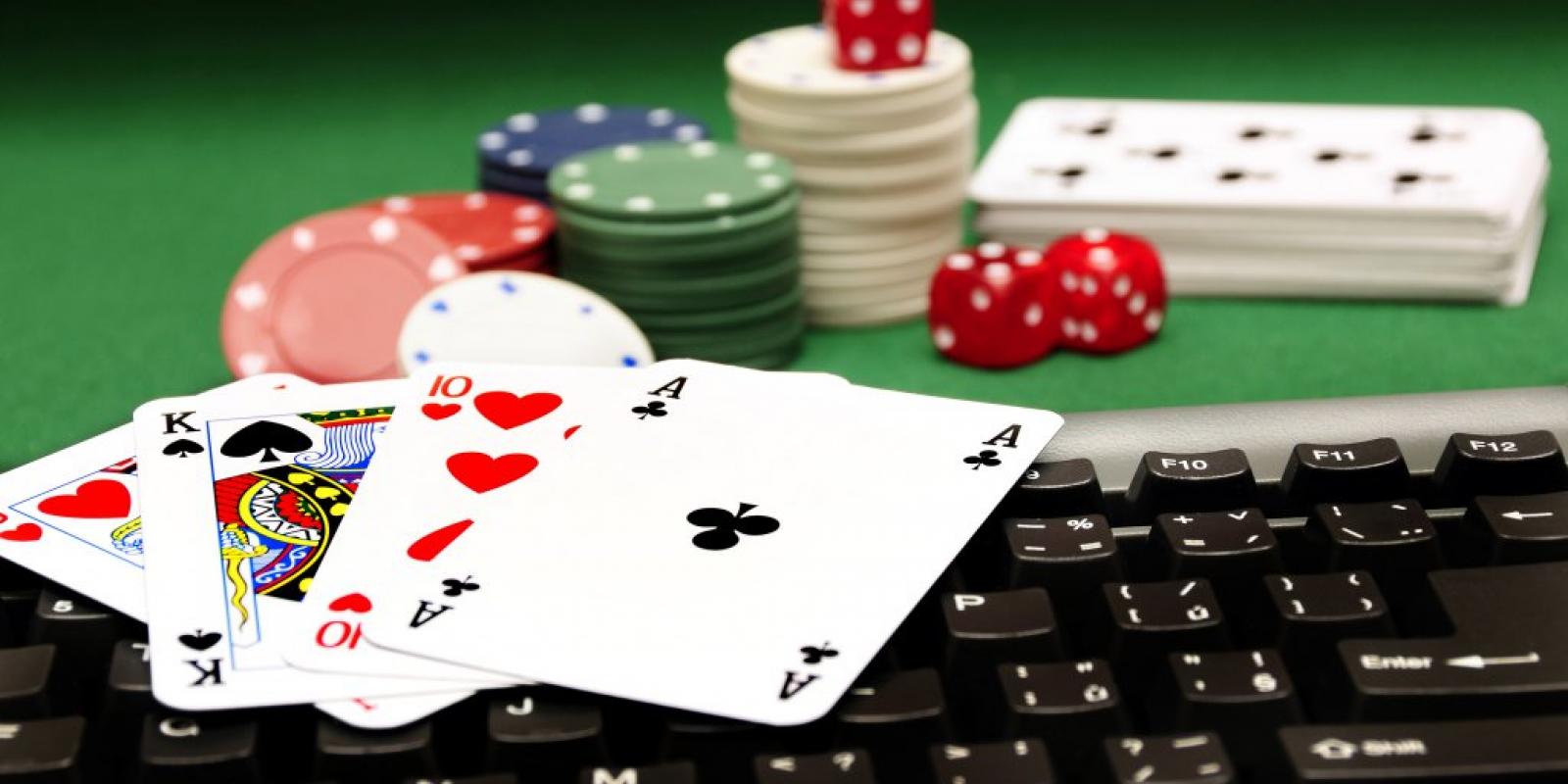
The stigma surrounding gambling addiction can deter individuals from seeking help or even enjoying gambling as a harmless pastime. Additionally, problem gambling, when it occurs, can stem from deeper emotional or psychological issues that extend beyond the act of gambling itself. Factors such as stress, anxiety, and social pressures can play significant roles in how individuals engage with gambling environments. Understanding that addiction is a multifaceted issue can help destigmatize the conversation and encourage responsible gambling practices among those who participate.
Education plays a vital role in addressing this myth. By promoting awareness of the signs of gambling addiction and fostering a dialogue about responsible gambling, individuals can protect themselves and others. Resources and support systems should be made accessible to those who feel they might be struggling. By emphasizing the enjoyment of gambling as a leisure activity while being cognizant of the fine line between entertainment and addiction, we can foster a healthier gambling culture. This education can empower players to recognize when they need to seek help and how to maintain the balance between fun and responsibility.
Exploring Responsible Gambling Awareness
In response to the myths surrounding gambling, the importance of responsible gambling awareness has never been more essential. Online platforms, local gaming establishments, and various organizations are working to promote safe gambling practices. Educational campaigns focus on understanding the risks associated with gambling while also providing resources for responsible play. By raising awareness of the true nature of gambling and its potential pitfalls, the industry aims to create a safer environment for both casual and frequent gamblers.
Through these initiatives, players are encouraged to set limits and to approach gambling with a healthy mindset. Setting a budget, knowing when to take breaks, and understanding that losses are part of the game are key components of responsible gambling. This proactive approach can diminish risk factors associated with gambling while enhancing the enjoyment of the experience. Additionally, online tools such as self-exclusion options and budget-setting features empower players to manage their gambling behavior effectively, ensuring they remain in control of their gaming experience.
It is also essential to foster an open dialogue about gambling habits within communities. Sharing experiences and educating each other about both responsible gaming and addiction can create a supportive environment. By dispelling myths and encouraging transparency, players can enjoy their time at casinos and online platforms responsibly. Emphasizing the importance of balance in gambling allows individuals to engage with it as a fun source of entertainment rather than a potentially harmful activity. This approach encourages a culture of responsible gambling while celebrating the thrill of the experience.